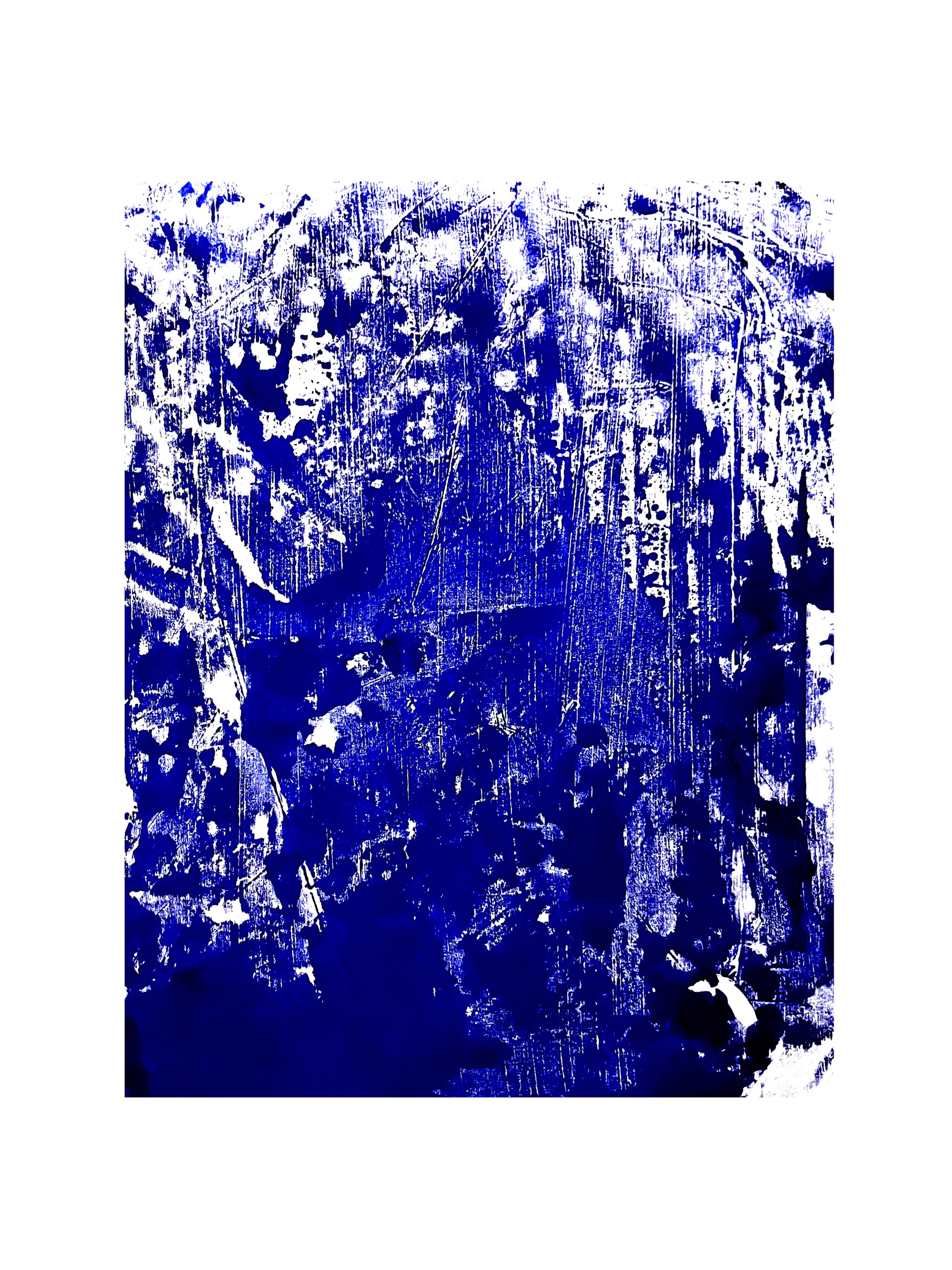

Williamsburg, Brooklyn, 1993.
This image is an AI-assisted reproduction of an original photograph taken in Williamsburg, Brooklyn, in what was still very much ” the old New York “. Shown here from left to right are Dexta, Tack, Tabatha, Plasma, and Dusty, capturing a moment around Mungus Mania at a time when the group’s identity moved between band, visual code, and cultural position rather than any fixed public category. Tabatha appears here not as a member of the group, but as part of the surrounding familial and social atmosphere within which the image was taken.
Emerging in the 1990s, Mungus Mania functioned as a catalyst within a wider movement that would leave a deep imprint on Tokyo underground culture. Its force was never limited to music alone. It operated through style, attitude, image, circulation, presence, and a deliberately elusive internal logic that linked sound, art, and subcultural authorship. In that sense, the group was less a conventional act than an industry-paranoid formation of artists whose influence often exceeded its official record.

Kisarazu, Chiba, 1993. Tack, Plasma, Futura2000, Dusty, Dexta, (from left to right).
AI reconstruction of an original photograph taken outside The Grape, Kisarazu, Chiba, April 1993. Produced collaboratively by Mungus Mania and Futura 2000 under the name MMAD (Mungus Mania Art Department). During this period Futura “the fifth Mungus,” attended rehearsal sessions in Tokyo and later accompanying the group to the Greenpoint recordings in Brooklyn. Introduced to Bill Laswell through Futura, the sessions evolved into a collaborative production environment in which Futura also participated as co-producer.
Only one formal recording was released through an industry body, yet the group’s wider impact carried through the people around it, the scenes it touched, and the visual and musical language it helped energise. What remains now is not only discography, but trace: photographs, marks, objects, stickers and the afterimage of a formation that moved ahead of easy documentation.
MUNGUS MANIA — ARTIST STATEMENT
In July 1993, Mungus Mania entered Greenpoint Studio in Brooklyn, New York with a singular idea: to record a fully improvised session, extract samples from the recordings, and construct skeletal tracks that would later carry vocals, effects, and reconstruction. The concept existed before the band entered the studio and before the technology or language surrounding such methods had become commonplace.
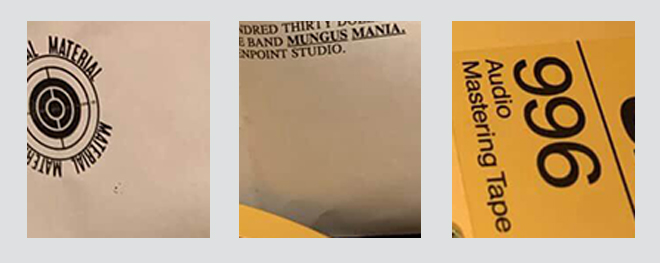
Greenpoint Studio, Brooklyn, 1993. Tokyo Underground Continuum, present.
What followed was not a search for direction, but a struggle for others to understand what the group had already envisioned. The resulting Greenpoint recordings contain minimal vocals by design. Absence itself formed part of the structure.
Returning to Japan with their tapes intact, the members made a quiet commitment: remain underground, continue building independently, and return only when the tools and understanding existed to fully realize the original intent.

Console settings,( detail) Greenpoint Studios, Brooklyn, New York, 1993.
Over the following decades, that process unfolded across music, visual art, sound engineering, venue building, and underground cultural production. Tack operated a live venue in Tokyo for more than twenty years. After 3/11, Dusty relocated to Kyushu and contributed to the development of a new regional underground scene. Dexta expanded across visual art and music production, developing independent recording and post-production practices through self-built studios and long-term technical study.

The Return Of M.M.A.D. Mungus Mania, flyer, CLUB WIRE. Shinjuku. Tokyo, 1996.
The group’s trajectory was shaped not through industry integration, but through time, loss, survival, and sustained resistance to dependency on external systems of validation or control.

Mod Studio [ Mad Studio ] Meguro, Tokyo 1992.
Bassist Gen Yamaguchi, known closely as Miyabi, passed away in August 2009. His presence remains inseparable from the identity and continuity of Mungus Mania.
What the group opposed was never change itself, but the structures surrounding culture, authorship, and access.
Audio Archive

FIRST MISSION #NINCHIKAKUME – Anarchy Jazz Session. Kanto Region, Japan, October 2014. Featuring Anna (vocals), Naoki (drums), Kaji (bass), Tack (guitar), Dexta (guitar, trumpet, keys), and James (iPad / sound manipulation).
Improvised session recorded during the approach of Typhoon Vongfong toward the Kanto region.
Recorded informally under the name Anarchy Jazz, the session was never intended as a formal release, but remained as a document of a particular night and atmosphere.

Toriyama Masaki 三日月 professional chaos reprise, Warner East West Japan, 2001
The only recording released through a major industry body. Produced in collaboration with Yoshida Haruyuki, the track was constructed through an unusual process — the band listened to a vocal and poetry recording once, rehearsed their own instrumental response without referencing it again, entered the studio in silence, and recorded two seven minute takes. No communication between members during the recording. The first take was deleted on the spot. The second take agreed upon. The vocals were added afterward in post production. Seven minutes. One take. Second attempt. The result exists on Oricon.
The future they were once told their work belonged to has finally arrived. The tools now exist to complete what was originally imagined decades earlier.
This is not a reunion or revival.
It is the continuation of an unfinished project.