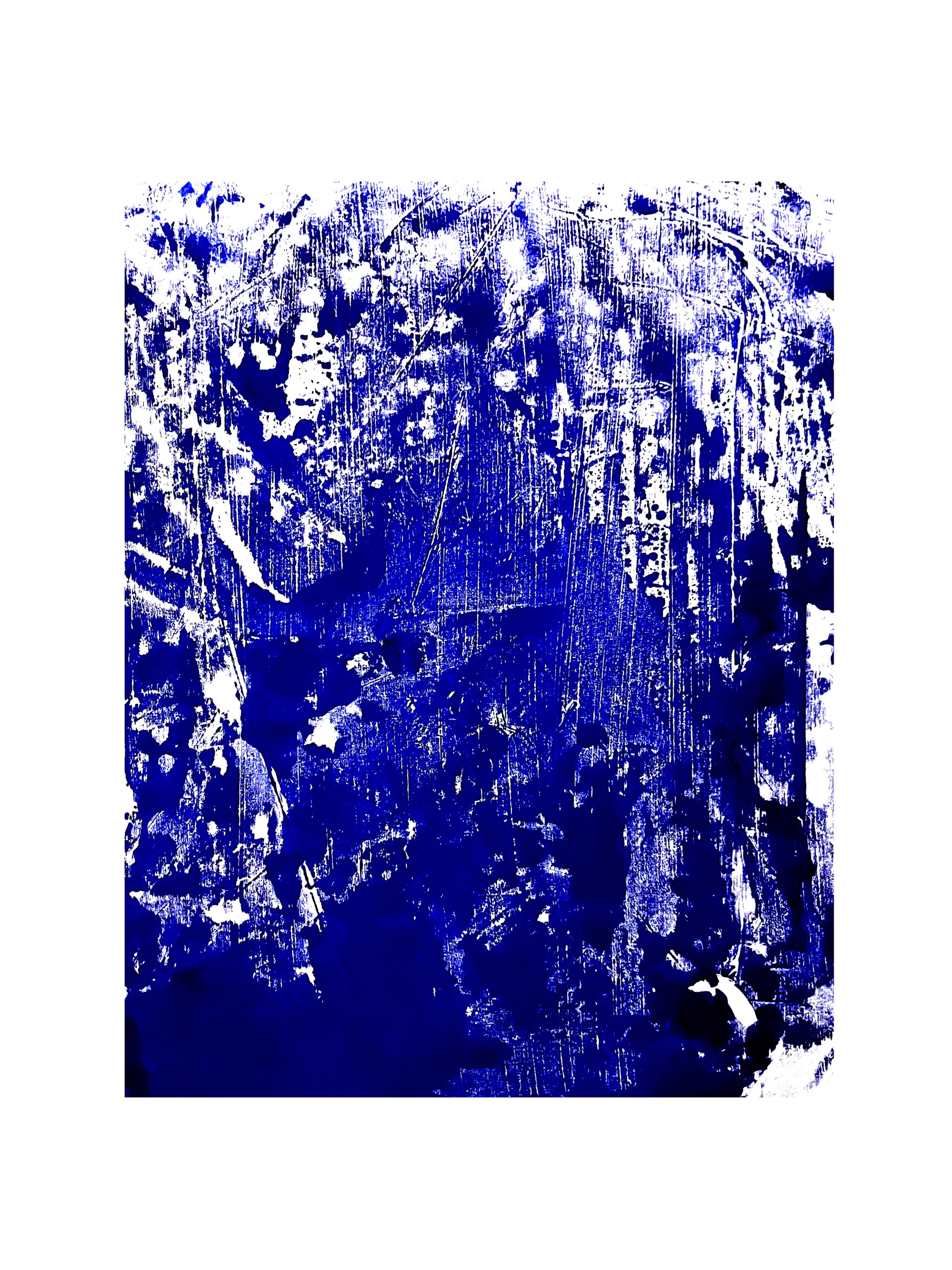
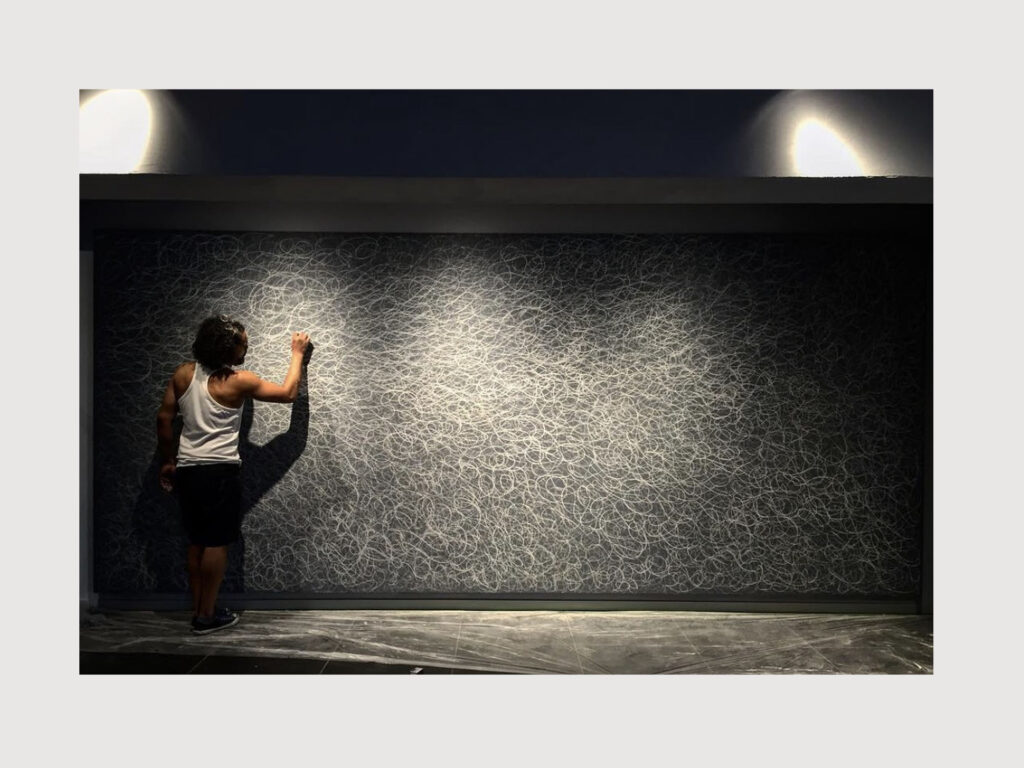
Pure Abstract 77.7, Installed on site at Communion Tokyo, 2017.
Pastel chalk on panel 500 x 200 cm.
Abstract 77.7 is a site-specific mural initially developed in 2016 as Cosmic Shoreline and re-commissioned the following year for a bespoke architectural surface within a Tokyo interior space. The work operates through spatial calibration, movement systems, and what emerges from underground visual logic.
The surface is constructed using seven tonal variations of white, applied through continuous, layered motion across the entire panel. Rather than producing contrast through colour, the work generates differentiation through near-imperceptible shifts in tone and density, producing a sustained field of visual flow.
Executed in chalk pastel and intentionally left unsealed, the surface remained sensitive to contact. Any interaction with the work leaves trace marks that accumulate over time, positioning the piece as a record of environmental contact, duration, and accidental intervention rather than a fixed image.
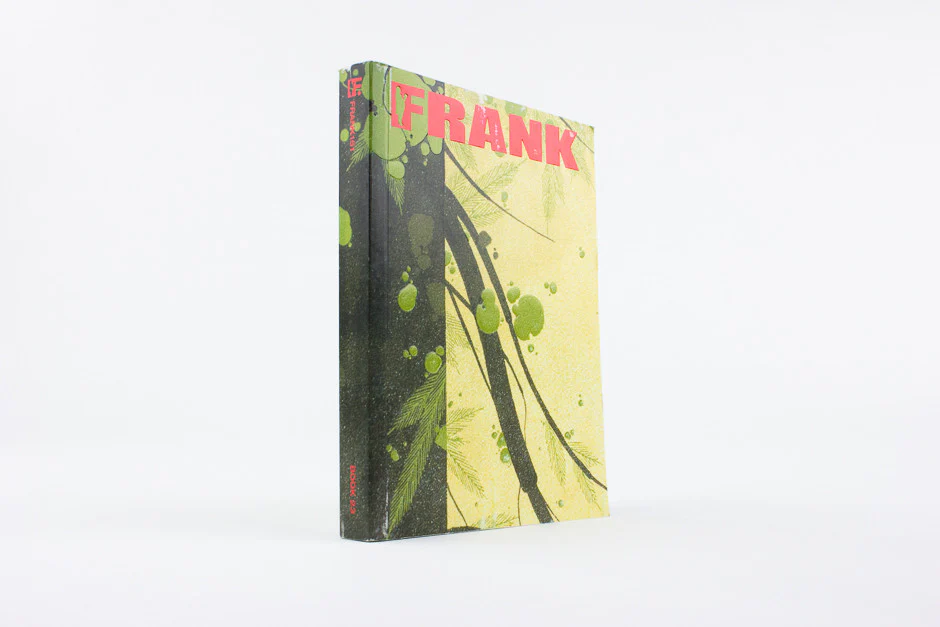
FRANK151: Far East Conference, Chapter 23, 2006.
Guest Curator, Published under the name Dexta Pamphile.
FRANK151 is an internationally recognized independent media and lifestyle publication known for its guest-curated “Frank Book” issues focused on underground culture, music, streetwear, skateboarding, and visual art.
Dexta Mega was invited as a contributing curator for Issue 23, helping shape a Tokyo-focused narrative framework drawn from intersections of visual culture, underground publishing, and street-level cultural dynamics.
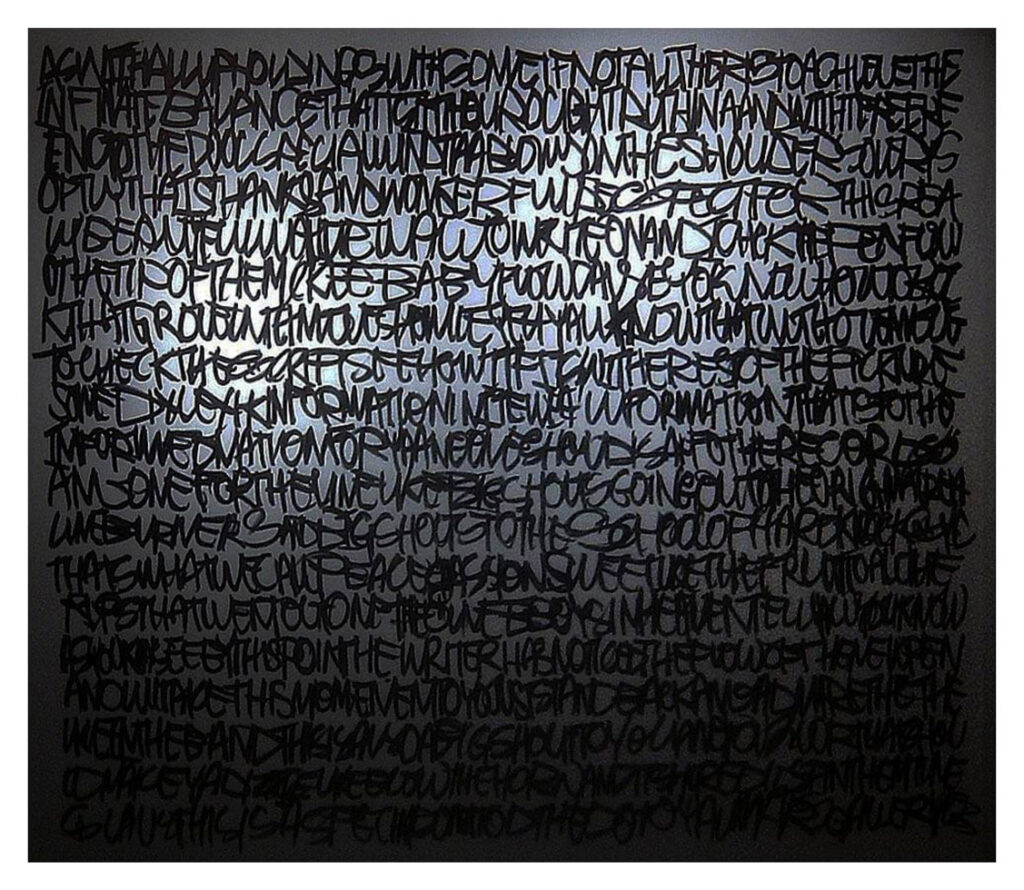
Mural installation, MARS Gallery, residency, 2001, marker pen on gesso coated wall, approx, 200 x 280 cm, supported by Toshiba.
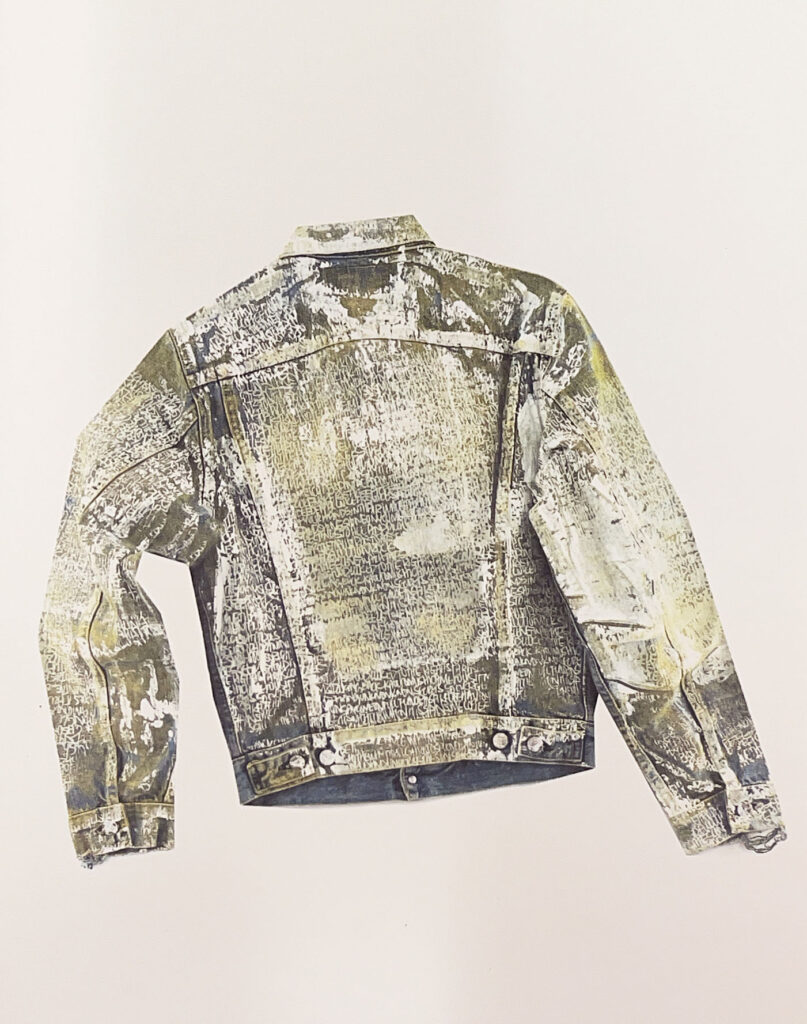
Untitled (for Levi’s Vintage), 1999.
Commissioned Customised denim jacket.
This collaborative project with Levi’s involved a reinterpretation of the Beatnik theme through a silkscreen-based intervention on text and garment surface. The work reconfigures language as material structure rather than narrative content.
A fragmented textual composition was developed without punctuation or formal grammatical breaks, producing continuous word-strings that function as visual rhythm. Language is treated as surface interference rather than communicative sentence structure, shifting emphasis from readability to spatial and graphic flow.
The work sits within broader explorations of print, fashion, and subcultural translation systems, where text becomes image and cultural reference is reduced into form.
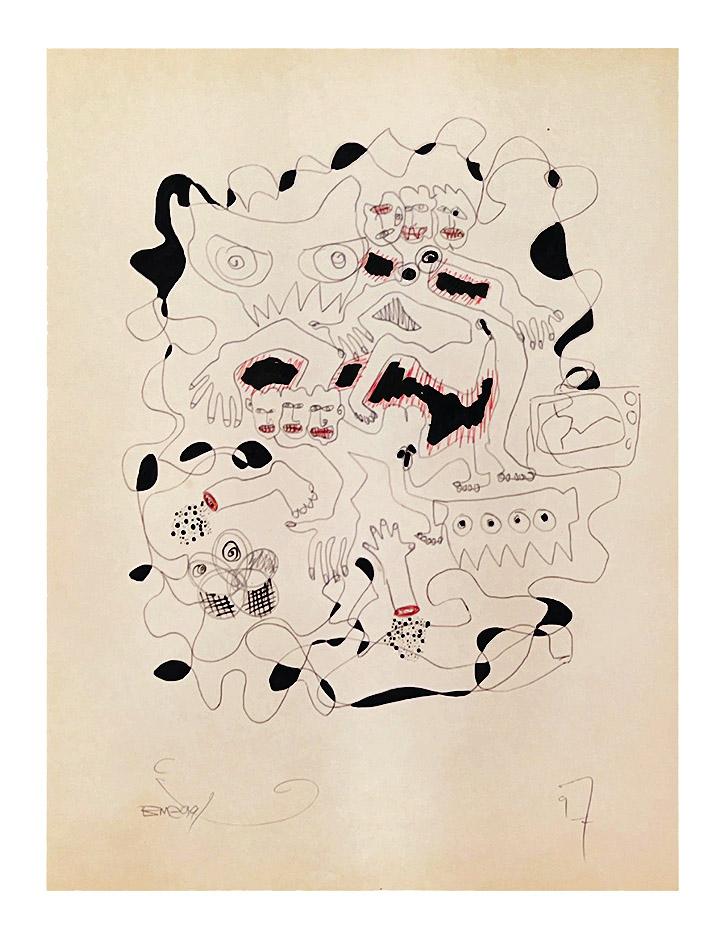
UNTITLED, 1997, ballpoint pen on washi-paper.
Executed on washi paper in 1997, this work marks an early exploration of surface fragility, compression, and spatial restraint within Dexta Mega’s practice. The use of washi introduced a sensitivity to absorption, pressure, and mark-making that differed significantly from later large-scale works.
The composition operates through controlled reduction, allowing gesture, interruption, and negative space to carry equal weight within the image field. Rather than functioning as a fixed composition, the work reflects an evolving process of adaptation to material limitation and constrained working conditions.
The piece represents an early investigation into ideas that would later reappear throughout the practice: movement systems, surface tension, fragmentation, and the relationship between control and instability.
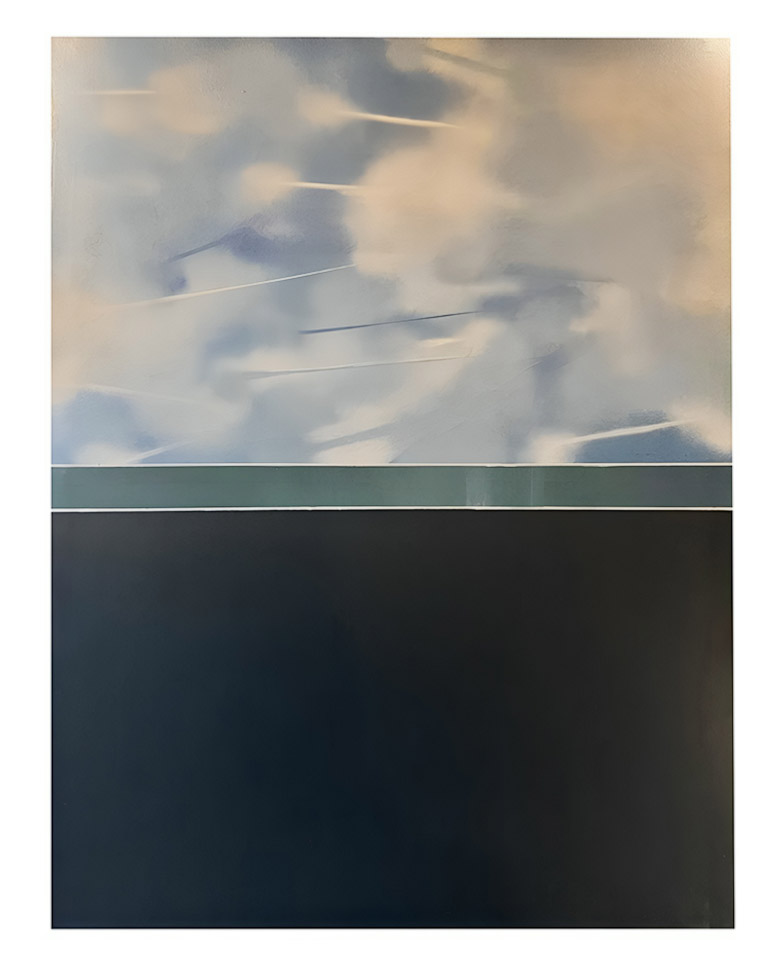
HORIZON RAIDERS, 1996, spray paint, acrylic emulsion and marker pen on canvas, approx, 140 x 108 cm, CLOSED GALLERY collection.
Horizons Raider introduces a horizontal structural logic into the artist’s practice, marking the first deliberate use of a continuous lateral division within the pictorial field. This horizontal axis becomes a recurring spatial device across later works.
The composition operates through separation and flow, where horizontal segmentation produces a simultaneous sense of stability and disruption. The work generates a tension between calmness and instability, using division not as a boundary but as a movement system across surface space.
This structural approach has since reappeared in variations across later works, functioning as an internal compositional grammar.
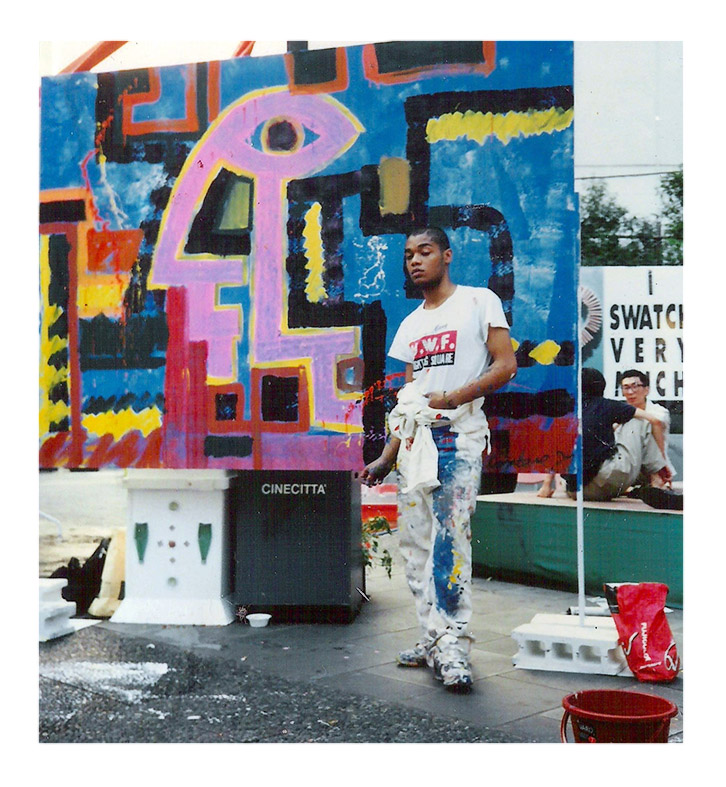
Live painting event, Club Citta, Kawasaki, 1988, presented by CLUB KING.
Kawasaki Live Painting was produced as a site-responsive performance work, executed in real time in relation to music and environmental atmosphere. The colour composition was selected in response to seasonal energy, combining summer-toned intensity with softer neutral and pastel registers.
The work was created during a live musical set featuring samba-influenced sound structures, shaping the visual rhythm of application and movement. The painting process unfolded as an improvised translation between sound, tempo, and colour decision-making, producing a direct link between auditory environment and visual output.
The work reflects an ongoing interest in live painting as a synchronised system between music, gesture, and spatial response.